Ireland All-Inclusive Holidays: Budget and Travel Insights
An Ireland all-inclusive holiday can save time, reduce booking stress, and turn a long wish list into a route that actually works on the ground. That matters in a country where scenic detours, seasonal pricing, and regional transport links can quickly reshape a travel budget. This guide maps the topic in five parts: what “all-inclusive” means in Ireland, how costs compare, which itineraries offer the best value, how to judge tour formats, and who benefits most from booking this way.
Outline:
– Defining what all-inclusive usually covers in Ireland
– Breaking down prices, savings, and common extra costs
– Comparing popular routes, durations, and sightseeing priorities
– Evaluating coach, rail, small-group, and self-drive package styles
– Identifying the travelers who are most likely to benefit
What “All-Inclusive” Usually Means in Ireland
One of the most useful starting points is also the most overlooked: in Ireland, “all-inclusive” rarely means the same thing it does at a beach resort in Spain, Mexico, or the Caribbean. Instead of unlimited drinks, all-day dining, and staying in one property for a week, Irish all-inclusive holidays are usually touring products. They are built around movement, not just relaxation. A package may include hotels, coach transport, some meals, attraction entry, and a tour director, while still leaving lunches, optional excursions, and airfare outside the base price. That distinction matters because travelers often compare two packages with similar names even though the real value is very different.
Most Ireland tour packages fall into a few common structures. You will often see:
– escorted coach tours with hotel stays and selected meals
– small-group tours with more flexible routing and boutique accommodation
– rail or independent packages with pre-booked hotels and transfers
– self-drive bundles that combine car rental, lodging, and a suggested itinerary
Breakfast is the most common meal inclusion, and dinner is often added on multi-night touring circuits. Lunch is less frequently covered because tours spend daylight hours on the road, in villages, or at attractions. Airport transfers may be included on premium packages, but not always. Attraction tickets vary widely. One company may build in entry to the Cliffs of Moher visitor experience, a distillery, and a heritage site, while another uses “free time” in those same places and leaves payment to the traveler. In practical terms, that means reading the itinerary line by line is more valuable than reading the headline brochure summary.
There is also a cultural element to the Irish version of all-inclusive travel. The appeal is not only convenience; it is also access. Ireland’s road network is good, but narrow rural routes, changing weather, and scattered points of interest can make independent planning tiring, especially for first-time visitors. A guided package reduces that friction. You can step off the coach into a windswept Atlantic viewpoint, listen to a short story about the land in front of you, and move on without worrying about parking or timing. The country can feel like a book with the pages already marked, which is one reason touring remains so popular.
For travelers, the main lesson is simple: do not ask whether a holiday is all-inclusive in name alone. Ask what categories are included, what level of quality they represent, and which expenses remain yours. In Ireland, that careful reading is the difference between a smooth value-packed trip and a package that looks fuller on paper than it feels in real life.
Budget Realities: Typical Costs, Savings, and Hidden Extras
Price is often the first reason people consider an all-inclusive holiday, but budget value in Ireland depends on how you travel, when you go, and what the package actually absorbs. A guided seven-day Ireland tour can range widely. Budget-oriented escorted tours may start around €900 to €1,600 per person in shoulder season, often excluding flights and some meals. Mid-range packages that include better hotel standards, more attraction entries, and a richer meal plan may land around €1,500 to €3,000. Premium small-group departures or luxury coach programs can move beyond €3,500, especially in summer. These are broad market ranges, not fixed rules, but they show how much “all-inclusive” can stretch.
Seasonal timing has a major effect on cost. June through August is peak demand, and prices commonly rise by 15% to 35% compared with late spring or early autumn. Around St. Patrick’s season and major festival dates, city rates can spike further. By contrast, April, May, September, and early October often offer the best balance of cost and weather. Days are still long enough for scenic travel, hotels are easier to secure, and landscapes remain vivid. Winter can bring lower prices, but shorter daylight hours and rougher weather may limit the touring rhythm many travelers want.
The strongest financial argument for an all-inclusive or near-all-inclusive package is that Ireland can be deceptively expensive when booked piece by piece. Consider a simple independent trip:
– mid-range hotel rooms in Dublin can easily cost well over €180 per night in busy periods
– rental cars become expensive once insurance, fuel, and automatic transmission demand are added
– attraction entries can accumulate quickly across castles, distilleries, and heritage centers
– dining in tourist-heavy areas can push daily food costs much higher than expected
When a package secures group hotel rates, bundles transport, and includes selected admissions, it may protect your budget from those rolling extras. Still, hidden costs remain common. Watch for single supplements, gratuity expectations, optional excursions, airport transfer charges, and meals on travel days. Drinks with dinner may not be included even when dinner itself is. Some tours also advertise “Dublin included” while placing travelers in suburban hotels with transfer time attached. That is not automatically bad value, but it is different from staying in the center.
The best way to compare offers is to calculate an estimated daily total rather than judging the package price alone. Add up what is included, estimate what you would spend independently, and note the cost of likely extras. A cheaper package with fewer inclusions can end up costing more once you fill the gaps yourself. Budget travelers should think in terms of total trip economics, not just the first number on the booking page.
Route Choices: Dublin, the Wild Atlantic Way, the Ring of Kerry, and Beyond
The route often determines whether an Ireland all-inclusive holiday feels rewarding or rushed. Ireland is not a huge country, but road travel takes longer than many visitors expect. Distances that look modest on a map can turn into full scenic days once village stops, weather changes, and viewpoint pauses are added. That is why itinerary design matters as much as hotel quality. A strong tour gives you enough variety to understand the country without turning each morning into a suitcase drill followed by a windshield marathon.
The most common first-time itineraries combine Dublin with a west-coast circuit. Dublin introduces the urban layer of Irish travel: Trinity College, Georgian streets, literary history, museums, and a pub culture that feels more social than scripted. From there, many tours push west toward Galway, the Burren, and the Cliffs of Moher. This pairing works because the contrast is immediate. One day you are tracing city history; the next you are facing sea cliffs where the wind seems to rewrite your hairstyle and your timetable at once.
The southwest is another major draw. The Ring of Kerry remains one of the most recognizable touring routes in the country, and for good reason. It offers mountain views, lakes, coastal roads, and access to towns such as Killarney and Kenmare. Packages that include this region often feel especially scenic, but they can also be more weather dependent and busy in peak season. Dingle and the Slea Head area appeal to travelers who want a more intimate coastal atmosphere. In the north, tours that include Belfast and the Causeway Coast offer a different texture: political history, industrial heritage, and dramatic shoreline landscapes in one frame.
When comparing routes, look beyond the destination names and ask how the days are structured. Useful questions include:
– How many one-night hotel stops are included?
– Are major sights visited early or during peak crowds?
– Is free time built into places worth exploring on foot?
– Does the package prioritize iconic landmarks or regional depth?
A five- to seven-day tour usually suits first-time visitors who want the headline highlights. Eight to ten days allows a much better pace and room for regional personality. Longer tours can include quieter counties, island add-ons, or a slower west-coast rhythm. Travelers interested in culture may prefer itineraries with music evenings, food stops, or historical walking tours. Those chasing scenery may lean toward Atlantic routes, Kerry, Connemara, or Donegal. There is no universal best route. The right one depends on whether you want your Ireland to feel like a grand overview, a cinematic landscape study, or a conversation with local history.
Comparing Tour Formats: Coach Packages, Small Groups, Rail Tours, and Self-Drive Bundles
Once you understand route and budget, the next decision is format. This is where many travelers discover that the best Ireland holiday for them is not the one with the most inclusions, but the one with the right style of movement. Tour format shapes your day-to-day comfort, social experience, flexibility, and even how much of the scenery you truly absorb. Two packages may visit the same regions and cost roughly the same, yet feel entirely different on the road.
Escorted coach tours remain the classic option. They are usually the most efficient for first-time visitors because they remove nearly every logistical task. A professional driver handles narrow roads, the guide provides context, and group entry can speed up major stops. Coach holidays also tend to deliver the widest geographic sweep for the money. The trade-off is pace. Larger groups mean set schedules, less spontaneous wandering, and occasional waits at hotels or rest stops. If you like structure, this format works well. If you want to linger over photography, shopping, or unplanned café time, it may feel tight.
Small-group tours cost more, but they often improve the quality of the experience rather than simply inflating the price. With fewer travelers, boarding is faster, conversation with the guide is easier, and accommodation may shift from large chain hotels to smaller character properties. These tours can access quieter roads and less obvious stops. For travelers who want guidance without feeling carried on rails, small-group touring often hits a sweet spot.
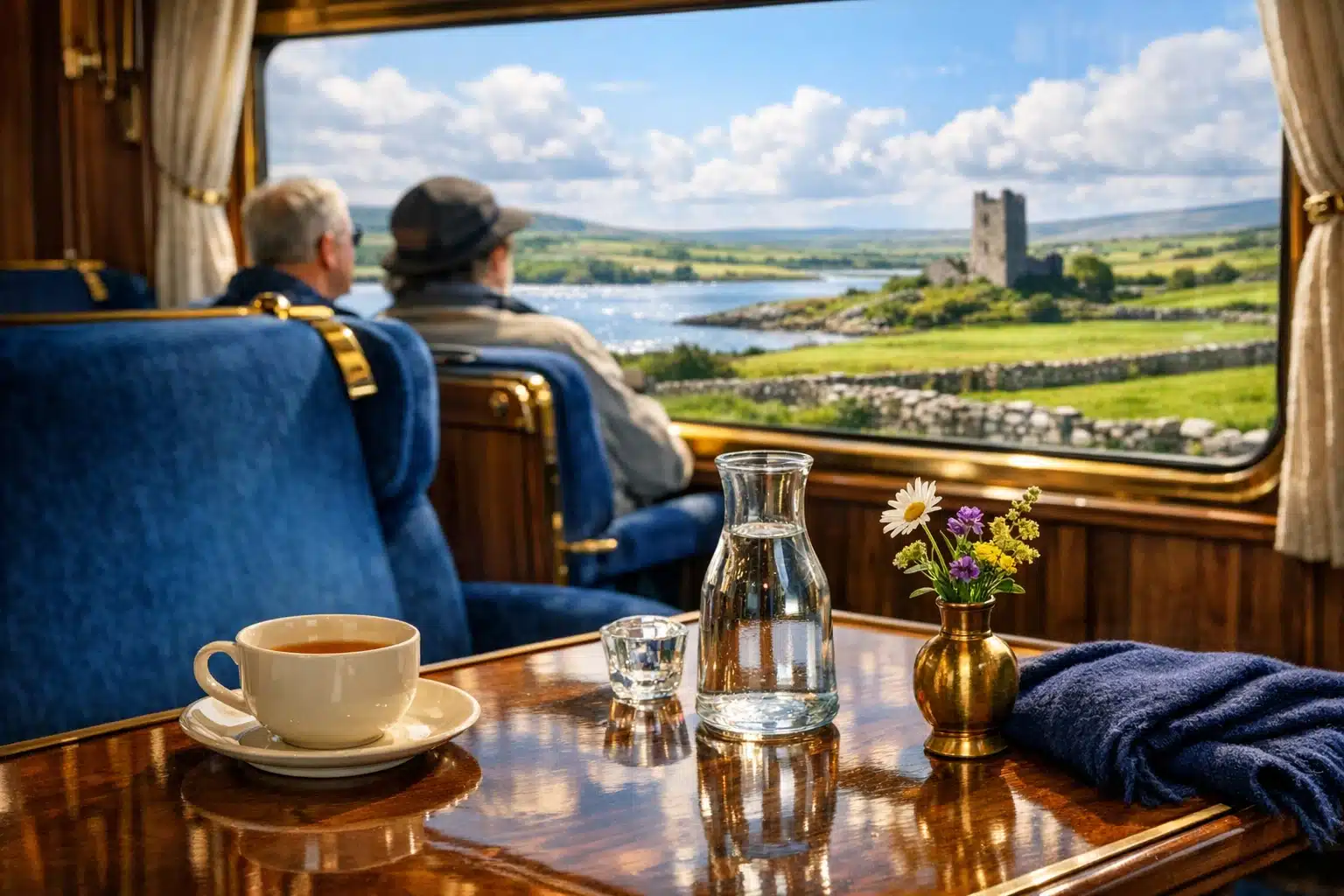
Rail-based packages are less common for full-country coverage because Ireland’s rail network does not reach every scenic area directly, but they can work beautifully for a city-and-region combination. They are appealing to travelers who dislike long coach days and prefer a more independent rhythm. Self-drive bundles sit at the opposite end. They often include accommodation, breakfast, car rental, and a mapped route, giving you freedom with a safety net. This suits confident drivers, especially couples or families, but rural roads, left-side driving, and parking in older towns are real considerations.
When comparing providers, look at more than the brochure photos. Check:
– group size limits
– hotel location rather than just star rating
– how many meals are included and at what level
– cancellation terms and deposit rules
– whether admission fees are built in or presented as optional extras
A trustworthy package is clear about what it covers and realistic about pace. If an itinerary tries to include nearly every famous region in too few days, convenience may be hiding fatigue. The strongest tours are not those that promise everything. They are the ones that know what to leave out.
Conclusion: Who Should Choose an Ireland All-Inclusive Holiday?
An Ireland all-inclusive holiday is rarely about extravagance. More often, it is about reducing friction so the traveler can spend less energy on coordination and more energy on the experience itself. That makes this style of trip especially useful for first-time visitors, older travelers, multi-generational groups, and anyone with limited vacation time who wants a reliable route without building it from scratch. If you have one week, want to see several regions, and prefer not to juggle hotels, transport, and attraction bookings, a well-designed package can be a sensible choice.
It also suits travelers who value predictability in spending. Ireland rewards spontaneity, but it can punish vague budgeting. By prepaying major elements, you narrow the field of surprises. You still need money for lunches, drinks, tips, and personal shopping, yet the core costs become easier to manage. For couples, some mid-range packages can compare favorably with an independently planned trip once vehicle hire, fuel, city parking, and dynamic hotel pricing are included. Solo travelers should watch for single supplements, but they may still find guided touring worthwhile if comfort and simplicity matter more than absolute lowest cost.
That said, not everyone needs this format. Independent travelers who enjoy slow exploration, spontaneous detours, and local guesthouses may prefer a self-drive or rail-based approach. Photographers, hikers, and repeat visitors often benefit from looser planning because they are less interested in landmark collecting and more interested in staying longer where the landscape opens up. The best decision is not ideological. It is practical. Match the travel style to your confidence, your energy level, and the kind of memories you want to bring home.
If you are considering booking, keep the final checklist simple:
– confirm exactly which meals, admissions, and transfers are included
– compare hotel locations, not just ratings
– assess whether the pace fits your stamina and interests
– price the likely extras before judging value
– travel in shoulder season if you want stronger rates and thinner crowds
For the target traveler, the promise of an Ireland all-inclusive holiday is not that it does everything for you. It is that it handles enough of the heavy lifting to let Ireland do what it does best: unfold gradually, with music in one town, stone walls in the next, and a road ahead that feels older than your map and newer than your plans.