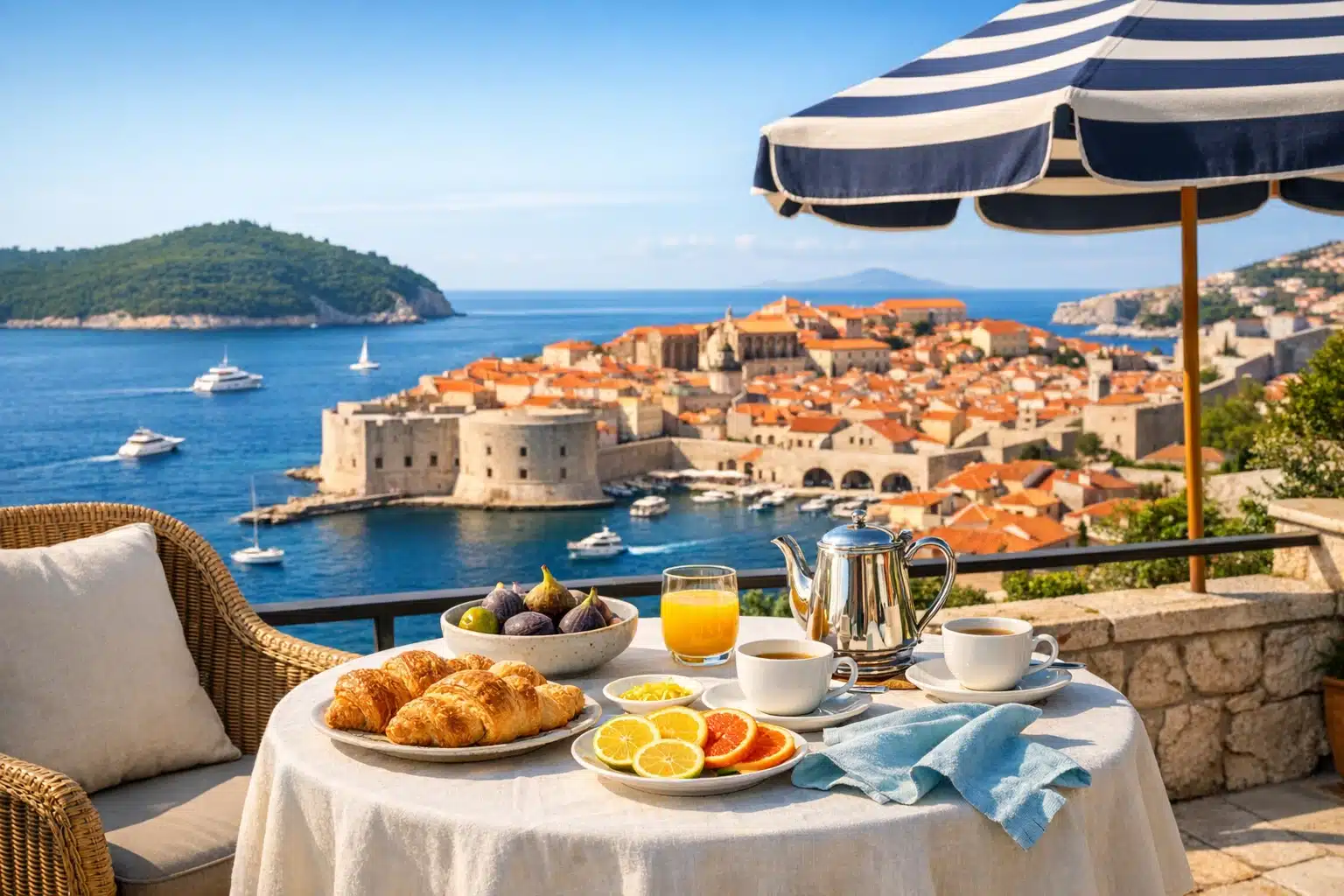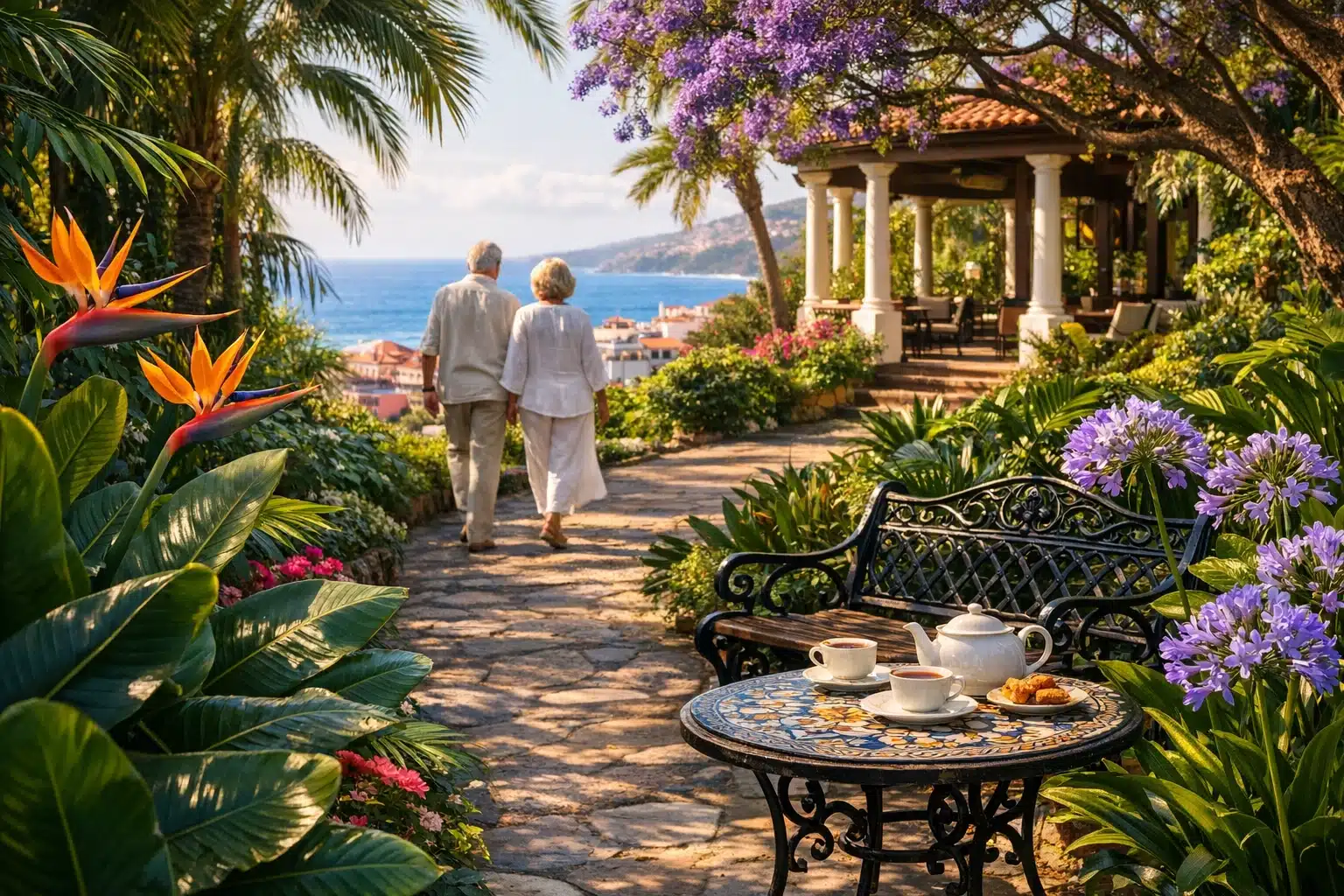
All-inclusive travel guide designed for seniors traveling to Tenerife
Tenerife has become a favorite with senior travelers because it combines reliable sunshine, good tourist infrastructure, and a pace that can be as restful or as active as you like. An all-inclusive stay makes the experience even easier by wrapping meals, drinks, and many hotel services into one booking. For older visitors, that simplicity can reduce stress, support budgeting, and leave more energy for enjoying the island itself. This guide shows how to choose wisely and travel comfortably.
Outline
- Why Tenerife works especially well for seniors looking for an all-inclusive break
- How to compare the island’s main resort areas and choose the right hotel style
- What to plan before departure, including flights, transfers, accessibility, and health practicalities
- Which all-inclusive features matter most once you arrive, from dining to excursions
- How to judge value, avoid common booking mistakes, and decide whether this type of holiday suits you
Why Tenerife Is Such a Strong Choice for Senior All-Inclusive Travel
Tenerife is the largest of the Canary Islands, and for many senior travelers its biggest advantage is simple: comfort. The island offers a mild climate throughout the year, especially in the south, where winter daytime temperatures often sit in a pleasant range that feels warm without becoming exhausting. For travelers who no longer enjoy battling cold pavements, dark afternoons, or unpredictable rain, that steady weather can feel like a small luxury before the holiday has even properly begun. There is something reassuring about landing on an island where palm trees move gently in the breeze and the sea seems to say, quite politely, “slow down, you are on holiday now.”
All-inclusive travel pairs well with this setting because it removes many of the little decisions that can drain energy. Instead of thinking every day about where to eat, how much lunch will cost, or whether the hotel area has enough nearby facilities, guests can settle into a predictable rhythm. Breakfast is ready, drinks are available, and staff are used to helping international visitors. That predictability matters to many seniors, especially those who prefer clear budgeting or have mobility concerns that make repeated searching for restaurants less appealing. Compared with room-only accommodation, all-inclusive can be easier on both the mind and the feet.
Tenerife also stands out because it is well developed for tourism without feeling entirely manufactured. In the south, resort towns such as Costa Adeje and Los Cristianos have promenades, accessible seafront areas, and many hotels with lifts, pools, entertainment, and organized excursions. In the north, places like Puerto de la Cruz offer a greener, more traditional atmosphere with gardens, plazas, and a more local feel. This range gives senior travelers a real choice between polished resort convenience and gentler cultural immersion.
There are practical reasons too. International connections are strong, pharmacies are easy to find, medical services are available, and organized transfers are common. Many hotels cater to older guests with quieter entertainment, buffet flexibility, ground-floor rooms, and staff who understand dietary requests. The result is not just a beach holiday, but a manageable one. For seniors who want rest without isolation, sunshine without chaos, and structure without rigidity, Tenerife makes a compelling case.
Choosing the Best Area and Hotel: South Versus North, Lively Versus Relaxed
One of the most important choices in Tenerife is not whether to go, but where to stay. The island’s south is usually the safest recommendation for seniors booking an all-inclusive trip for the first time. It tends to be sunnier, drier, and more resort-oriented. Costa Adeje is often seen as the most polished option, with smart hotels, broad walkways, shopping areas, and a calmer atmosphere than some neighboring districts. Los Cristianos, meanwhile, blends resort convenience with the feeling of a real town. It has a harbor, flatter walking areas than many other places on the island, and a loyal following among older visitors who return year after year because it feels familiar rather than flashy.
Playa de las Américas can also work, but hotel selection matters more there. Some parts are convenient and comfortable, yet other stretches are busier, louder, and more nightlife-focused. Seniors who value peaceful evenings should read recent reviews closely and pay attention to whether a property sits near bars, entertainment zones, or major roads. The north, especially Puerto de la Cruz, appeals to travelers who like gardens, architecture, and a more traditional island atmosphere. It is beautifully green, often slightly cooler, and culturally rich, but some streets are steeper and the weather can be less predictable. For some seniors, that trade-off is worthwhile; for others, the south is simply easier.
When comparing hotels, the term all-inclusive can hide major differences. One property may include excellent buffets, branded drinks, heated pools, and evening music; another may offer a more basic package with limited bar hours and repetitive menus. It is wise to judge the hotel by its practical features, not just its star rating.
- Look for lifts, step-free entrances, and walk-in showers if mobility is a concern.
- Check whether the pool is heated, especially for winter travel.
- See how far the hotel is from the promenade, beach, or nearest pharmacy.
- Read whether the atmosphere is quiet, mixed-age, or nightlife-oriented.
- Confirm if special diets, tea-making facilities, and room fridges are available.
A good senior-friendly hotel does not need to be luxurious in the grand sense. It needs to be easy. Easy to move through, easy to eat in, easy to sleep in, and easy to leave for a short walk when the afternoon light turns golden. That kind of ease often becomes the true marker of quality.
Planning the Trip Well: Flights, Transfers, Accessibility, Health, and Timing
A smooth holiday often begins long before check-in. For seniors, the planning stage is not just administrative; it shapes how restful the entire trip will feel. Tenerife has two airports, and this matters. Tenerife South Airport handles most international leisure traffic and is the most convenient arrival point for popular southern resorts such as Costa Adeje, Los Cristianos, and Playa de las Américas. Transfer times from there are usually manageable. Tenerife North Airport is more useful for domestic and regional routes and is closer to Puerto de la Cruz, though many visitors heading north still arrive through the south depending on flight schedules and prices.
When comparing packages, look beyond headline cost. A slightly higher price can be worthwhile if it includes direct flights, a shorter transfer, hold luggage, and a reputable shared or private airport transfer. After a flight of several hours, the difference between a quick, organized arrival and a confusing transport chain can be enormous. Seniors with reduced mobility should also check whether the transfer coach stops at the hotel entrance or leaves guests a short walk away. That detail is rarely glamorous, but it is often remembered.
Travel insurance is another essential part of the plan, particularly for older travelers or anyone managing ongoing medical conditions. Insurance should cover declared conditions honestly, include emergency medical assistance, and account for mobility aids if needed. European travelers should also carry any applicable health card, but it should be viewed as a supplement, not a replacement, for insurance. Bring medications in original packaging, pack a small supply in hand luggage, and carry a written list of prescriptions. Tenerife has pharmacies and healthcare facilities, yet replacing medicine abroad is always more complicated than bringing it properly in the first place.
- Choose flight times that avoid very early departures if fatigue is an issue.
- Book airport assistance in advance when walking long terminal distances is difficult.
- Request a lower-floor room or one near the lift if that would improve comfort.
- Ask the hotel whether accessible rooms are truly step-free and not merely labeled accessible.
- Travel in spring or autumn for a balance of warmth, space, and potentially better prices.
Timing matters more than many people think. Peak winter months are popular because Tenerife offers welcome sunshine when much of Europe is cold, but they can also be busier and more expensive. Shoulder seasons often provide a sweet spot: pleasant weather, easier availability, and a calmer feel around pools and dining rooms. Good planning does not make a holiday feel rigid; quite the opposite. It clears the path so the island can do what it does best, which is invite you to relax.
What an All-Inclusive Stay Should Really Deliver for Seniors Once You Arrive
An all-inclusive holiday is only worthwhile if the package improves daily life, not just the booking page. For seniors in Tenerife, the most useful all-inclusive features are often the least flashy. Good food variety matters more than novelty. Sensible dining times matter more than themed cocktails. A quiet terrace can be more valuable than a loud activity schedule. The best hotels understand this balance. They offer comfort without making guests feel boxed into a timetable.
Dining is central. Buffets can be excellent for older travelers because they allow flexibility in portion size, timing, and dietary choice. Someone with a smaller appetite can eat lightly at lunch and return later for fruit or soup. Travelers managing diabetes, low-salt diets, or digestive sensitivity can inspect options directly rather than guessing from a menu. Still, not every buffet is equal. Look for reviews that mention fresh produce, clear food labeling, live cooking stations, and enough variation over a week or longer. Repetition is more noticeable on an all-inclusive stay, especially if guests eat most meals in the hotel.
Drinks packages also deserve scrutiny. Some include only local brands, some limit hours, and some exclude bottled water from rooms, which can surprise travelers. Entertainment matters too, though preferences vary. Many senior guests appreciate soft evening music, dance shows, or low-key performances rather than high-volume party programs. Heated pools, spa access, accessible sunbathing areas, and comfortable lounges are often more important than activity lists filled with water sports.
Tenerife’s appeal also lies beyond the resort gate, and a good all-inclusive holiday should leave room for that. Popular senior-friendly outings include scenic coach tours, whale and dolphin watching from the south coast, village visits, botanical gardens, and the dramatic landscapes around Teide National Park. These excursions can add texture to a stay, turning a comfortable base into a richer island experience. The key is pace. A packed schedule can drain the pleasure out of travel, while one or two carefully chosen outings can make the week feel fuller and more memorable.
- Ask whether premium restaurants or snack bars are included or cost extra.
- Check if tea, coffee, and water are available outside standard meal times.
- Find out whether sun loungers, pool towels, and safes are part of the package.
- Read if evening entertainment ends at a reasonable hour for restful sleep.
- Confirm whether excursions can be booked through the hotel with clear pickup points.
At its best, all-inclusive living in Tenerife feels pleasantly undramatic. Mornings begin with light over the Atlantic, afternoons stretch gently beside the pool or promenade, and dinner appears without negotiation. That sense of ease is exactly what many senior travelers are paying for, and it is worth choosing carefully to get it.
Final Thoughts for Senior Travelers: Value, Common Mistakes, and Who This Holiday Suits Best
For senior travelers, the real question is not whether all-inclusive holidays are fashionable, but whether they deliver good value in the form that matters most: comfort, predictability, and enjoyment. In Tenerife, they often do. Costs on the island can add up when meals, drinks, taxis, and entertainment are bought separately, especially in established resort areas. An all-inclusive package can simplify spending and reduce the mental arithmetic that turns a break into a budget exercise. For retirees or older couples who prefer to know the shape of their costs before leaving home, that can be a major advantage.
That said, this style of holiday is not automatically the best choice for everyone. Travelers who love independent restaurant-hopping, plan to drive around the island every day, or intend to spend long hours away from the hotel may get better value from half-board or self-catering. The best approach is honest self-knowledge. If you enjoy quiet mornings, easy lunches, an afternoon swim, and perhaps one excursion every few days, all-inclusive can be ideal. If your idea of a holiday is constant exploration from dawn to dusk, paying for unlimited hotel meals you rarely use makes less sense.
Common booking mistakes are surprisingly consistent. Some travelers choose a hotel based only on price and ignore the area. Others book a lively resort while hoping for silence, or a scenic hillside hotel without checking the gradients. Some assume all all-inclusive packages are equal, then discover that important comforts are charged extra. Careful reading prevents disappointment.
- Compare the hotel’s atmosphere, not just its photos.
- Use recent guest reviews to judge noise, food quality, and cleanliness.
- Prioritize convenience features over decorative luxury.
- Think about winter pool heating, room location, and transfer length.
- Leave space in the itinerary for genuine rest.
So who is this holiday best for? Seniors who want sun without long-haul travel, structure without pressure, and familiar comforts in a scenic setting are likely to enjoy Tenerife very much. It suits solo older travelers seeking reassurance, couples wanting a calm winter escape, and friends who prefer conversation by the sea to rushing through a checklist. The island rewards a measured pace. It offers enough interest to keep days lively, yet enough ease to let them unfold naturally. If that sounds appealing, an all-inclusive trip to Tenerife is not simply convenient. For many seniors, it is a practical and deeply pleasant way to travel well.