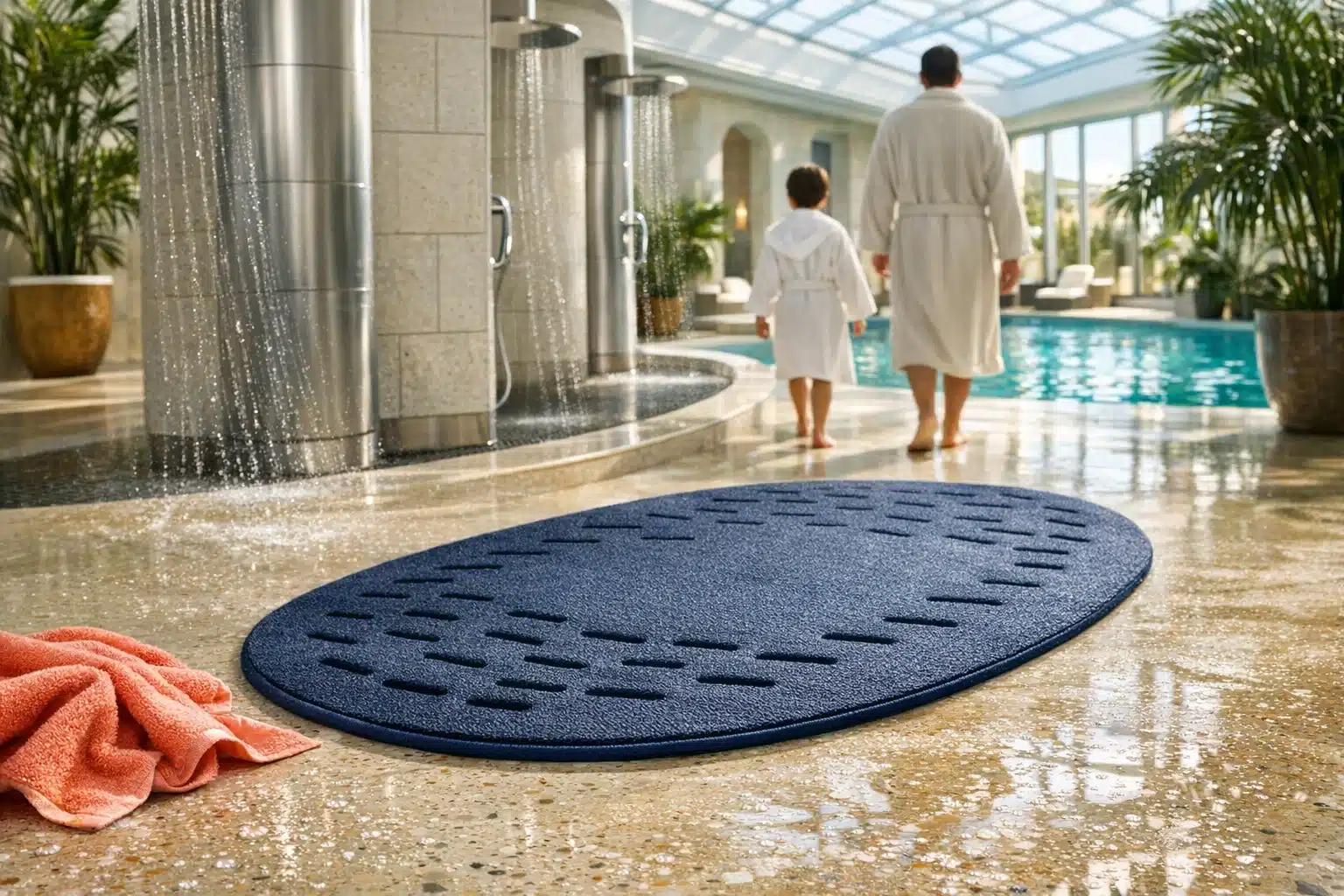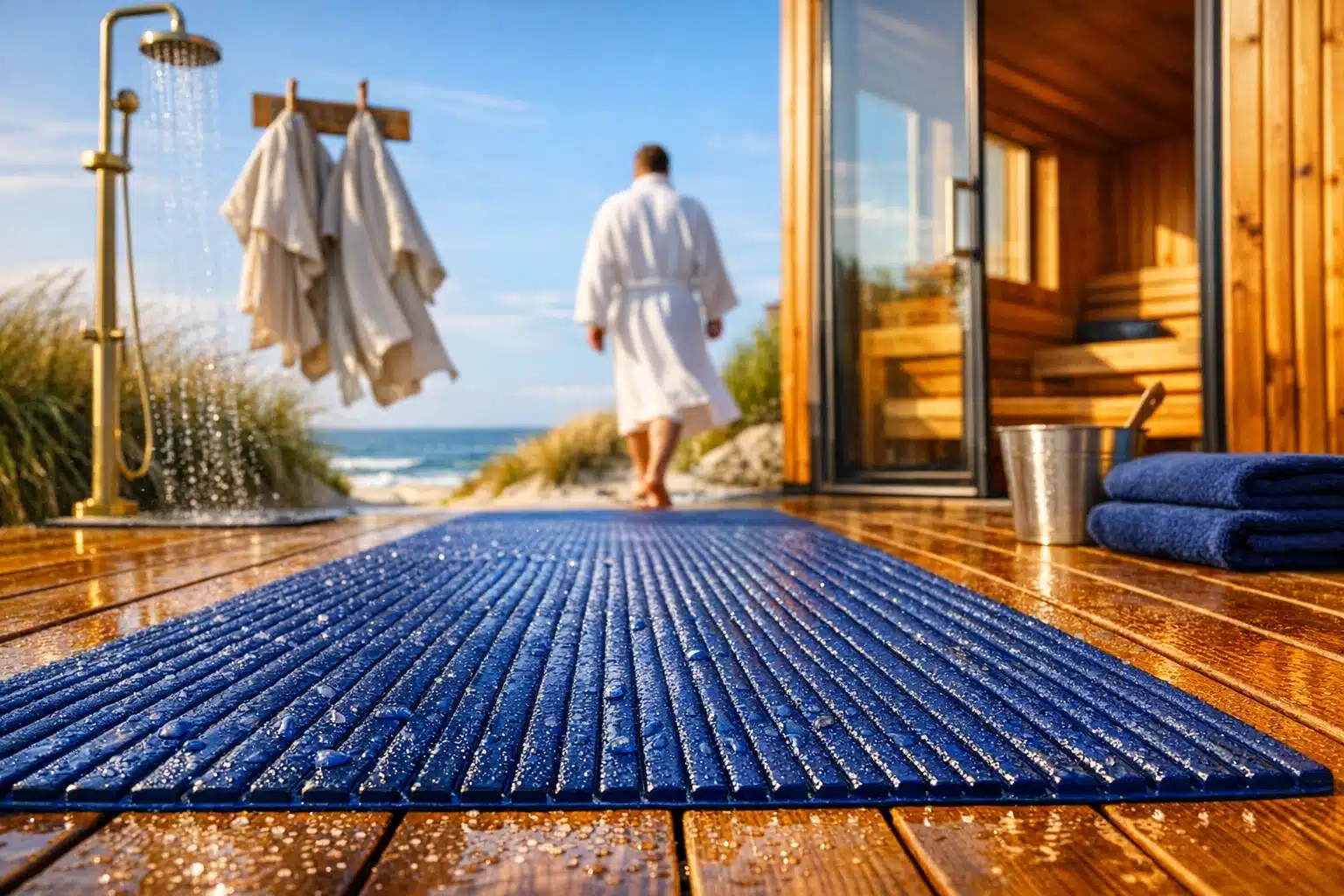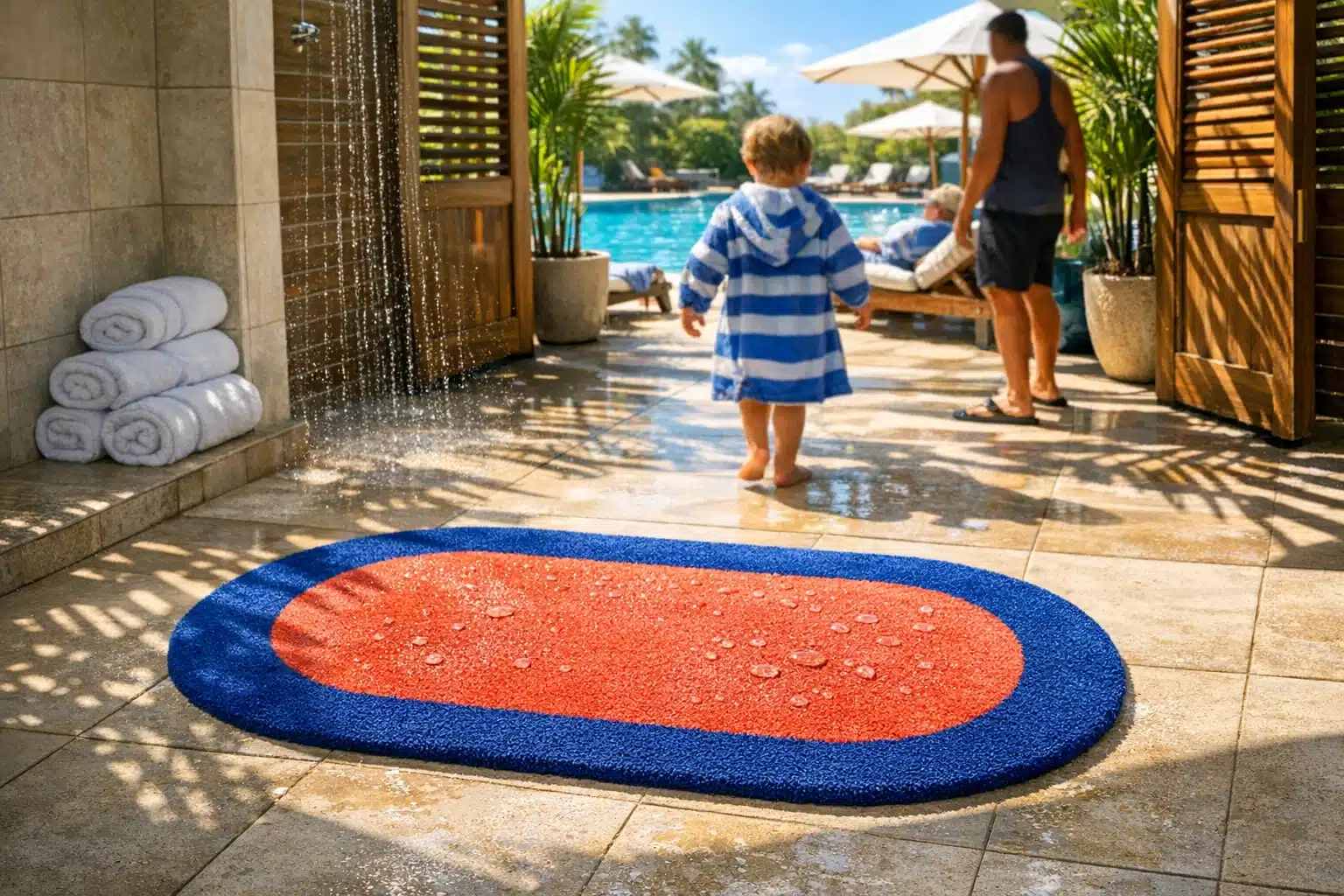
Why are more and more families buying a non-slip mat for the bathroom?
A wet bathroom floor can turn an ordinary morning into a rushed, risky balancing act, especially in homes with children, older adults, or anyone hurrying through a packed routine. That is one reason non-slip mats are shifting from optional accessory to everyday essential. They add traction, soften cold tile underfoot, and help manage splashes without demanding a major renovation. This article looks at why families are choosing them more often, how popular materials compare, and which features are worth your money.
Outline
- Why bathroom non-slip mats are becoming more common in family homes
- The practical safety, comfort, and cleanliness benefits they offer
- How different materials and styles compare in real use
- What to consider before buying, from size to backing and maintenance
- A final summary for families who want a safer and more functional bathroom
Why non-slip bathroom mats are showing up in more family homes
The bathroom is one of the smallest rooms in the home, yet it hosts some of the quickest movements of the day. People step out of showers half awake, children splash water without noticing where it lands, and parents often move through the space while multitasking. In that setting, even a thin layer of water on tile can become a real hazard. Public health agencies regularly warn that falls are a major source of household injury, especially for older adults, and bathrooms are a well-known risk zone because they combine hard surfaces, moisture, and limited space. A non-slip mat is not a miracle product, but it is an accessible way to reduce one obvious danger point.
Another reason more families are buying these mats is that modern versions do more than simply prevent slipping. Older bathroom mats were sometimes flimsy, unattractive, or difficult to wash. Newer options are designed with better grip, quicker drying, more appealing textures, and colors that match modern interiors. A family no longer has to choose between safety and style. That matters because buyers today often want practical items to blend into the design of the room rather than look purely medical or industrial. A mat that feels soft, stays in place, and fits the bathroom visually is easier to adopt as part of daily life.
Household routines also play a part in rising demand. In many homes, the bathroom is used by several people within a short time window each morning and evening. When one person leaves water behind, the next person inherits the problem. A non-slip mat creates a buffer between wet feet and slick flooring, while also catching drips that would otherwise spread. Families often appreciate these mats for several overlapping reasons:
- They make stepping out of the shower feel more secure.
- They reduce puddles that travel across the floor.
- They add comfort on cold surfaces, especially in winter.
- They can help protect flooring from repeated moisture exposure.
Cost is another important factor. Compared with retiling a bathroom, adding grab bars, or installing underfloor heating, a good non-slip mat is a relatively small purchase. Renters can use one without making permanent changes, and homeowners can improve usability in minutes. In a market where families increasingly look for low-effort, high-use purchases, the non-slip bathroom mat stands out. It solves a visible everyday problem, requires no special expertise, and can be swapped out as needs change. That combination of safety, comfort, affordability, and convenience explains why this once-overlooked accessory is becoming a regular item on family shopping lists.
The everyday benefits: safety, comfort, cleanliness, and peace of mind
The strongest argument for a bathroom non-slip mat is still safety. Smooth tile, porcelain, vinyl, and polished stone can become slippery when water, soap residue, shampoo, or body oils are present. Even in a well-maintained bathroom, that slick surface changes how securely a foot can land. A mat with reliable grip creates friction where it matters most: the spot where someone steps out of the bathtub or shower. For families with young children or older relatives, that added stability is especially valuable. It does not remove the need for careful movement, but it can make a hurried step far less risky.
Comfort is the second big benefit, and it is more important than it first appears. Bare tile often feels cold, hard, and unforgiving. By contrast, a well-made mat provides a softer landing, which can be more pleasant for tired feet and gentler for people with joint sensitivity. Some families choose plush microfiber or memory foam styles because the bathroom is not only a functional room; it is also part of the rhythm of waking up and winding down. A mat can make the space feel warmer, calmer, and less clinical. That shift in feel may be subtle, but it influences how people use the room every day.
Then there is cleanliness. Towels thrown on the floor may absorb water temporarily, but they bunch up, stay damp, and slide around. A bathroom mat designed for the job usually performs better because it is made to absorb or redirect moisture while staying in place. It can help contain splashes near the tub, sink, or shower entrance instead of allowing them to spread across the room. In practical terms, that means fewer wet footprints, fewer wipe-downs, and less chance of moisture lingering where it should not. Families often notice the difference in several ways:
- Less water is tracked into hallways or adjoining rooms.
- Floors need emergency mopping less often.
- The bathroom feels tidier between regular cleaning sessions.
- Children are less likely to leave a slippery surprise behind them.
There is also a quieter benefit: peace of mind. A non-slip mat can reduce the small but constant worry that someone may lose footing during a rushed moment. That matters in busy homes, where parents are already managing a thousand moving parts. It is not dramatic, and that is precisely why it works so well. Good home products often succeed by solving dull, repeated problems before they become memorable accidents. In that sense, a bathroom non-slip mat is not just a soft rectangle on the floor. It is a simple layer of prevention, a comfort feature, and a cleaner way to handle the messy reality of everyday water use.
Comparing the main types of bathroom non-slip mats
Not all bathroom mats solve the same problem, and that is where many buyers get confused. Some mats are made for use inside the tub or shower, while others are designed for the floor outside the wet area. Choosing the wrong type can lead to frustration, poor performance, or even added risk. Mats used inside a bathtub or shower often feature rubber or PVC construction with suction cups underneath and drainage holes throughout. Their job is direct traction under running water. They are practical, durable, and usually easy to rinse, but they are not always the most decorative option.
For the area outside the tub or shower, softer mats dominate the market. Microfiber and chenille styles are popular because they absorb water well and feel pleasant underfoot. Memory foam mats add extra cushioning and can feel luxurious, especially in colder months. These are often the mats families picture first, because they combine comfort with good everyday performance. However, their usefulness depends heavily on the quality of the backing. A soft top layer means little if the base slides across tile. Good versions use rubber, latex, or thermoplastic backing to improve stability.
There are also harder, more modern alternatives. Diatomaceous earth stone mats have gained attention because they dry quickly and give the bathroom a minimalist look. Instead of feeling plush, they absorb moisture into a rigid surface and release it through rapid evaporation. They are appealing in design-focused homes and can reduce the soggy feel of traditional fabric mats. Bamboo or slatted wood-style platforms offer another route. These usually do not absorb much water, but they raise the feet above dampness and can work well in spa-inspired interiors. Each option has trade-offs:
- Rubber suction mats are best for inside tubs and shower trays.
- Microfiber and chenille mats are soft, absorbent, and family-friendly.
- Memory foam mats prioritize comfort but may dry more slowly.
- Stone mats dry fast and look sleek, though they feel firmer underfoot.
- Bamboo-style mats suit airy designs but need proper ventilation and care.
When comparing materials, families should think about more than appearance. Ask how quickly the mat dries, whether it can be machine washed, how it behaves on your flooring, and who will use it most often. A household with toddlers may prioritize absorbency and easy laundering. A home with an older adult may care more about grip and edge stability. A renter may want something affordable and simple to replace. The best mat is not the one with the fanciest marketing language; it is the one that matches the real conditions of the room. In other words, the smartest choice begins with knowing where the mat will go, who will step on it, and how much water it will need to handle every day.
How to choose the right non-slip mat for your bathroom
Buying a bathroom mat sounds simple until you stand in front of dozens of options that all claim to be safe, soft, absorbent, and durable. The easiest way to choose well is to start with placement. Is the mat going inside the tub, directly outside the shower, near the sink, or in front of a double vanity used by several people at once? Location determines the right material, thickness, and grip system. A shower interior needs drainage and dependable traction. An area outside the bath benefits from absorbency, quick drying, and a backing that stays steady on your specific floor type.
Size is equally important. A mat that is too small may fail to catch water where feet actually land, while one that is too large can crowd the room, block doors, or stay damp because air circulates poorly around it. Low-profile designs are often better in tight bathrooms because they reduce the chance of edges curling into a trip hazard. It is also wise to consider how the mat interacts with underfloor heating, delicate surfaces, or polished stone. Some backings can trap moisture or leave marks over time, so checking manufacturer guidance is worth the extra minute.
Families can narrow their choices by asking a few practical questions before buying:
- Will this mat be used by children, older adults, guests, or all of the above?
- Can it be machine washed, or does it require hand cleaning?
- Does it dry quickly enough for a busy bathroom with repeated use?
- Is the underside truly non-slip, or is the claim vague?
- Will the texture feel comfortable barefoot every day?
- Does the shape suit the room layout and traffic flow?
Budget matters too, but a sensible purchase is not always the cheapest one. Entry-level mats can work well in low-traffic bathrooms, yet heavy daily use often exposes weak stitching, poor backing, or slow-drying fibers. Spending a bit more on a better-made mat may save money if it lasts longer and performs consistently. That said, an expensive mat is not automatically better. Some premium designs focus heavily on looks while underdelivering on grip or washability. Reading reviews can help, but look for comments that describe real-life use rather than vague praise.
A final tip is to think in terms of household habits, not ideal behavior. If your family forgets to hang mats up to dry, choose a faster-drying material. If children frequently splash during bath time, pick broader coverage and easier cleaning. If mornings are rushed, prioritize stability and comfort over decorative detail. A good bathroom mat should fit the way your home actually functions. When it does, it stops feeling like an accessory and starts acting like a small but smart piece of household equipment.
Conclusion for families: a small upgrade that solves a real daily problem
For families, the appeal of a non-slip bathroom mat is easy to understand once you look past the product label and focus on daily life. Bathrooms are used in a hurry, often by several people, and almost always around water. That combination creates small moments of risk that repeat day after day. A mat cannot redesign the whole room, but it can improve the way the room functions in a direct and noticeable way. Better footing, warmer comfort, less tracked water, and a cleaner-looking floor are benefits that add up quickly over a week, a month, and a year.
The best part is that this upgrade is flexible. New parents may buy a non-slip mat because bath time gets messy. Families with school-age children may appreciate easier cleanup after the morning rush. Households with grandparents or anyone less steady on their feet may see it as one practical part of a safer bathroom setup. Even people living alone often discover that stepping onto a stable, dry surface simply feels better than meeting a cold tile floor at the end of a shower. In that sense, the mat serves different users for different reasons, which helps explain its growing popularity.
To make that value last, basic maintenance matters. A neglected mat can trap moisture, develop odor, or lose grip over time. Fortunately, upkeep is usually simple:
- Wash fabric mats regularly according to the care label.
- Hang or spread them out so they dry fully between uses.
- Rinse and inspect suction-style mats to prevent soap buildup.
- Replace any mat that curls, hardens, sheds backing, or slides unexpectedly.
Think of the bathroom mat as the quiet helper in the room. It rarely gets much attention when it works well, yet you notice its absence the second the floor turns slick. For families trying to make the home safer and more comfortable without spending heavily, it is a sensible purchase with everyday impact. If you are choosing one now, aim for a mat that suits your space, your routine, and your cleaning habits rather than chasing trends alone. The right pick is not just about style or softness. It is about making one of the busiest rooms in the home a little steadier, a little drier, and a lot easier to live with.