Portugal trip for people aged 50 and over in 2026
Portugal rewards travelers who enjoy substance over hurry, and that makes it especially appealing for people aged 50 and over planning a 2026 escape. Distances are manageable, the food is grounded and memorable, and the country offers a rare mix of old-world atmosphere with modern convenience. You can spend a morning in a museum, a slow afternoon by the sea, and an evening over excellent wine without feeling rushed. This guide maps out how to shape that experience with comfort, realism, and a little room for wonder.
Article Outline: What a Well-Planned Portugal Trip Should Cover
Before getting into specific destinations, it helps to set out a clear framework for the trip. Portugal may look small on a map, but the experience changes dramatically from region to region. Lisbon offers grand viewpoints, tiled facades, and energetic urban life. Porto feels more compact and atmospheric, with river scenery and a slightly slower rhythm. The Algarve brings sunshine and coastal ease, while Alentejo is all about space, quiet, vineyards, and whitewashed towns. For travelers aged 50 and over, the real advantage is choice: you can build a journey around culture, food, landscapes, or relaxation without needing exhausting internal travel.
A good article on this topic should therefore do more than list attractions. It should explain how to combine places sensibly, how to avoid common physical challenges such as steep streets or overly ambitious day plans, and how to choose the season that fits your energy level. In 2026, this matters even more because travelers increasingly expect a mix of authenticity and convenience. Portugal is well placed to provide both, but only when the itinerary is realistic.
This guide is structured around five practical questions:
- What kind of Portugal trip suits travelers over 50 in terms of pace and comfort?
- Which regions and seasons offer the strongest balance of climate, scenery, and accessibility?
- How should transport, hotels, and daily logistics be planned?
- Which experiences deliver depth rather than just photo opportunities?
- How can all of this be turned into a workable itinerary for 2026?
That outline matters because Portugal rewards thoughtful planning. A rushed schedule can reduce beautiful places to station platforms and hotel lobbies. A better approach is to link two or three bases, stay long enough to understand each place, and leave room for the simple pleasures that make the country memorable: a long lunch, a riverside walk, a church interior discovered by accident, or a late afternoon coffee in a sunlit square. The sections that follow expand each part of that outline in detail, with comparisons, practical tips, and examples designed for mature travelers who want to see a lot without traveling like they are chasing a stopwatch.
Choosing the Right Regions and the Best Time to Go in 2026
The most important early decision is not which hotel to book, but which version of Portugal you want to experience. Mainland Portugal is compact enough that combining two or three regions in one trip is realistic. The fast train between Lisbon and Porto typically takes around three hours, which makes north-south travel easier than many first-time visitors expect. Still, convenience should not be confused with endless stamina. For many travelers over 50, the ideal trip includes one major city, one smaller cultural stop, and one scenic or coastal base.
Lisbon is often the natural starting point. It is rich in museums, viewpoints, monasteries, and neighborhood character, but it is also built on hills. That means it suits visitors who can manage slopes and uneven pavements, especially the famous stone sidewalks. Porto is gentler in scale and often feels easier to absorb over several days, though parts of the historic center also involve climbs and steps. If your priority is weather and rest, the Algarve is the simplest choice, especially outside peak summer. If your idea of luxury is silence rather than spectacle, Alentejo may be the strongest match, with slower roads, heritage towns, and excellent food.
Season matters enormously. For this age group, spring and early autumn usually offer the best balance. April to June and September to October often bring pleasant temperatures, long daylight hours, and fewer crowds than the height of summer. July and August can be rewarding on the coast, but inland areas may become uncomfortably hot, especially for visitors planning walking tours. Winter is more mixed: the Algarve stays relatively mild, Lisbon can still be enjoyable, and the north tends to be cooler and wetter.
Here is a simple comparison of regional strengths:
- Lisbon: ideal for history, museums, day trips, and classic first-time sightseeing.
- Porto and the north: strong for wine culture, river scenery, and a more intimate urban feel.
- Algarve: best for gentle seaside stays, easy resort infrastructure, and winter sun.
- Alentejo: excellent for rural calm, gastronomy, and travelers who dislike crowds.
- Madeira: beautiful for gardens and views, but often more physically demanding because of steep terrain.
For 2026, the wisest approach is to think in contrasts rather than coverage. Pair a city with a coast, or a cultural center with a rural retreat. Portugal is more satisfying when explored as a sequence of moods: a tram bell in Lisbon, a cellar tasting in Porto, an olive grove in Alentejo, or Atlantic light slipping across the Algarve at dusk. Choosing well means you will remember places, not just tick them off.
Comfort, Mobility, and Practical Planning for Travelers Aged 50 and Over
A successful trip to Portugal depends as much on logistics as on inspiration. The country is easy to enjoy when the practical side is handled intelligently, and that is particularly true for travelers who value comfort, good pacing, and fewer unnecessary complications. In 2026, the essentials are straightforward: book direct flights where possible, limit hotel changes, and choose transport that matches the terrain rather than the map alone.
Portugal offers several workable transport styles. Trains are excellent for major routes such as Lisbon to Porto, Coimbra, or Faro, and they remove the stress of urban driving. Rental cars are useful in Alentejo, the Douro Valley, and parts of the Algarve where rural hotels and scenic detours matter more than city-center convenience. Guided small-group tours can also be a smart compromise for visitors who want context without managing every ticket and timetable themselves. There is no single correct method; the best plan often mixes rail for intercity travel with taxis or short private transfers for the final stretch.
Accommodation deserves extra attention. Historic buildings can be charming, but not all are equally practical. Older properties in city centers may have narrow stairs, limited sound insulation, or small bathrooms. That is why it is worth checking for features that make a real difference rather than just attractive photos.
- Lift or elevator access
- Walk-in shower instead of a high bathtub
- Air conditioning for late spring and summer
- Soundproofed rooms in busy districts
- Reliable luggage storage and reception support
Mobility on the ground is another factor that should not be underestimated. Lisbon’s steep streets can turn a short walk into a tiring climb. Porto’s riverside areas are atmospheric but can involve cobbles and inclines. Comfortable footwear is not a minor detail here; it is part of the itinerary. So is the decision to place rest stops into the day on purpose. A museum in the morning, a seated lunch, and one structured afternoon activity is often a better rhythm than trying to fit in four landmarks before dinner.
Health-smart planning also means carrying prescriptions in original packaging, checking travel insurance terms, and building recovery time into arrival days. Many travelers now use eSIM data plans, offline maps, and app-based ride services, all of which can simplify navigation in 2026. Yet the deeper lesson is timeless: convenience comes from selectivity. When you reduce friction, Portugal opens up beautifully. Instead of spending energy solving travel problems, you can spend it noticing stained-glass light, sea air, local conversation, and the texture of a place that never needed to shout to be memorable.
Experiences Worth Prioritizing: Culture, Food, Scenery, and Slow Discovery
Portugal works especially well for mature travelers because many of its finest experiences do not require speed, adrenaline, or long physical exertion. The country invites observation. It rewards sitting down, looking carefully, and allowing history to unfold at a human pace. That makes it ideal for visitors who want substance instead of checklist tourism.
Start with urban culture. In Lisbon, neighborhoods such as Alfama, Chiado, and Belém each tell a different chapter of the national story. Belém, for example, combines monumental architecture, maritime history, and famous pastry traditions in one area. Porto offers something slightly different: merchant wealth, granite architecture, and the visual drama of the Douro River. If Lisbon feels like a capital with many voices speaking at once, Porto often feels like a city telling one story slowly, with conviction.
Food is another reason Portugal suits this audience so well. The cuisine is flavorful without being fussy, and meals often become one of the easiest ways to understand regional identity. Cod appears in endless variations, grilled fish is central along the coast, soups are deeply rooted in everyday life, and desserts range from convent sweets to the well-known custard tart. Wine tourism is also approachable. A Douro Valley tasting, for instance, can combine scenery, local history, and a relaxed pace in a way that feels rewarding rather than overprogrammed.
Some experiences are especially good choices for a 2026 itinerary:
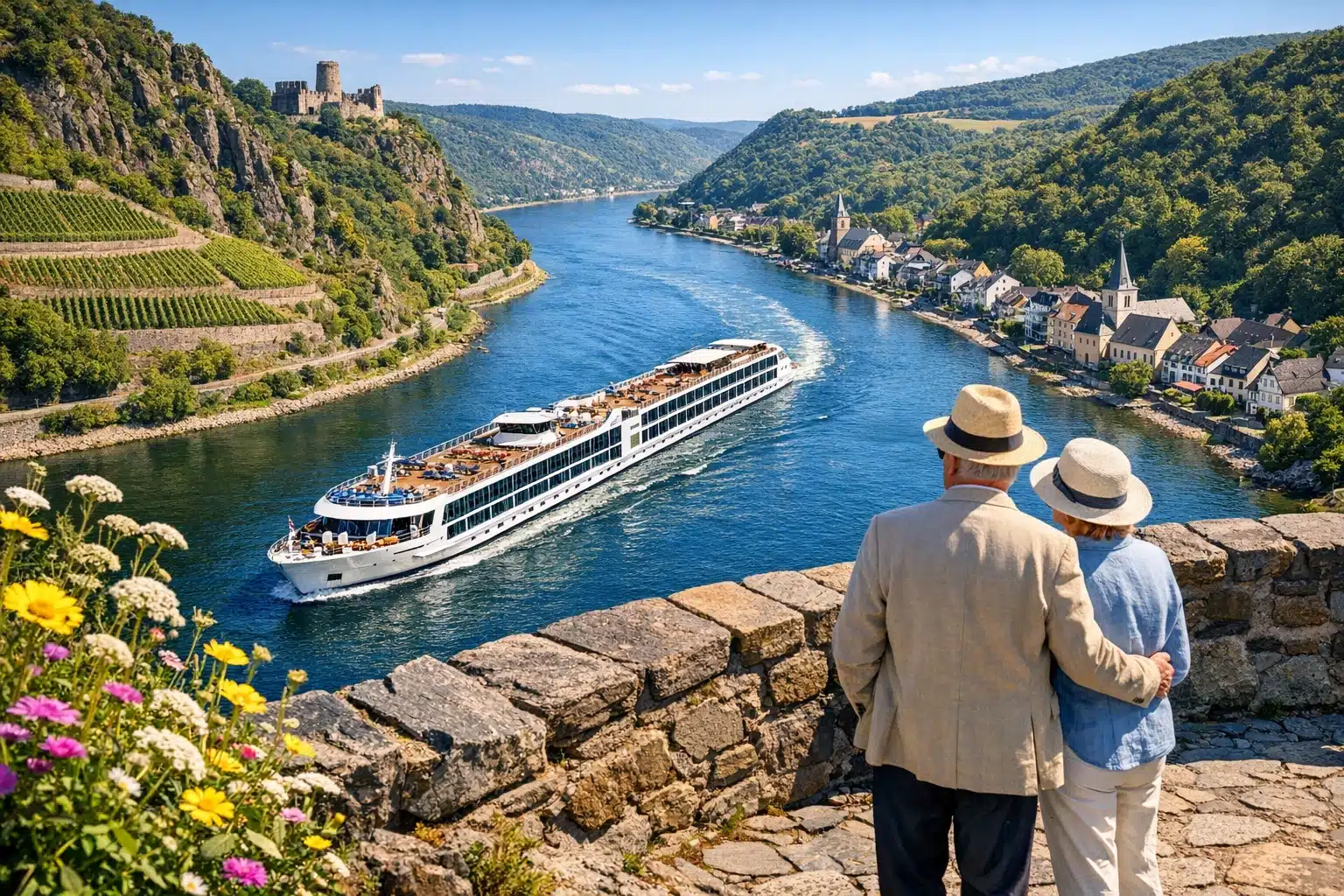
- A Douro River cruise or scenic rail journey for landscape without constant walking
- A guided visit to Sintra, where transport planning matters because the terrain is hilly
- A day in Évora for Roman, medieval, and culinary history in one compact town
- A leisurely Algarve coastal stay with boat trips, markets, and seaside dining
- A fado evening in Lisbon or Coimbra for a powerful cultural experience rooted in place
Gardens, monasteries, tile museums, and market halls also deserve attention. They offer a deeper view of Portuguese life than many quick social-media stops. For travelers over 50, this matters because enjoyment often comes from layering experiences rather than collecting landmarks. A tiled chapel, a family-run restaurant, a bookshop, a river promenade, and a glass of local red can create a more vivid memory than any frantic dash through ten attractions.
That is the quiet brilliance of Portugal. It does not force wonder; it lets wonder gather. The details do the work: laundry stirring above an old street, the smell of grilled sardines near a square, the Atlantic turning silver at sunset, azulejo patterns catching light differently from one hour to the next. For travelers who appreciate meaning, atmosphere, and conversation, these are not small things. They are the trip.
A Practical 10-Day Plan and Final Thoughts for Travelers 50 and Over
The most effective itinerary for this audience is one that feels full without becoming crowded. Ten days is an excellent length for a first trip in 2026 because it allows for variety while preserving energy. Instead of racing from one end of the country to the other, use a small number of bases and let each one reveal itself properly. A balanced first visit might look like this:
- Days 1 to 3: Lisbon, with one easy arrival day, one historic sightseeing day, and one day trip to Sintra or Cascais
- Day 4: Travel to Porto by fast train, with a relaxed evening near the river
- Days 5 to 6: Porto and Gaia, including a cellar visit, riverfront walking, and one cultural museum or church circuit
- Days 7 to 9: Algarve or Alentejo, depending whether you prefer coastline or countryside
- Day 10: Return to Lisbon or Porto for the outbound flight, ideally without a same-day long transfer
This structure works because it combines city culture with slower landscapes. It also keeps packing and unpacking to a reasonable minimum. If beaches and mild weather matter most, choose the Algarve for the final stage. If food, vineyards, and tranquil towns sound more appealing, Alentejo is often the more distinctive option. Couples, solo travelers, and groups of friends can all adapt this framework with minor changes.
There are also a few common mistakes worth avoiding. One is underestimating the terrain in old districts. Another is assuming that because Portugal is a relatively small country, every region should be included in one trip. A third is building schedules with no margin for weather, fatigue, or spontaneous discoveries. The most enjoyable itineraries keep one part of the day open. That free window often becomes the time when a trip turns personal rather than merely efficient.
For travelers aged 50 and over, Portugal is relevant in 2026 for practical as well as emotional reasons. It offers strong infrastructure, excellent hospitality, rich heritage, and a travel style that does not punish moderation. You can be curious without being hectic, comfortable without feeling insulated, and active without treating the holiday like a test of endurance.
In summary, Portugal is a very good match for people who want depth, beauty, and manageable logistics in the same journey. Choose the season carefully, combine regions with restraint, and book for comfort rather than novelty alone. If you travel at a measured pace, the country gives back generously: not just famous views, but lasting impressions. For a traveler who values culture, food, scenery, and ease in equal measure, that is a compelling reason to go.