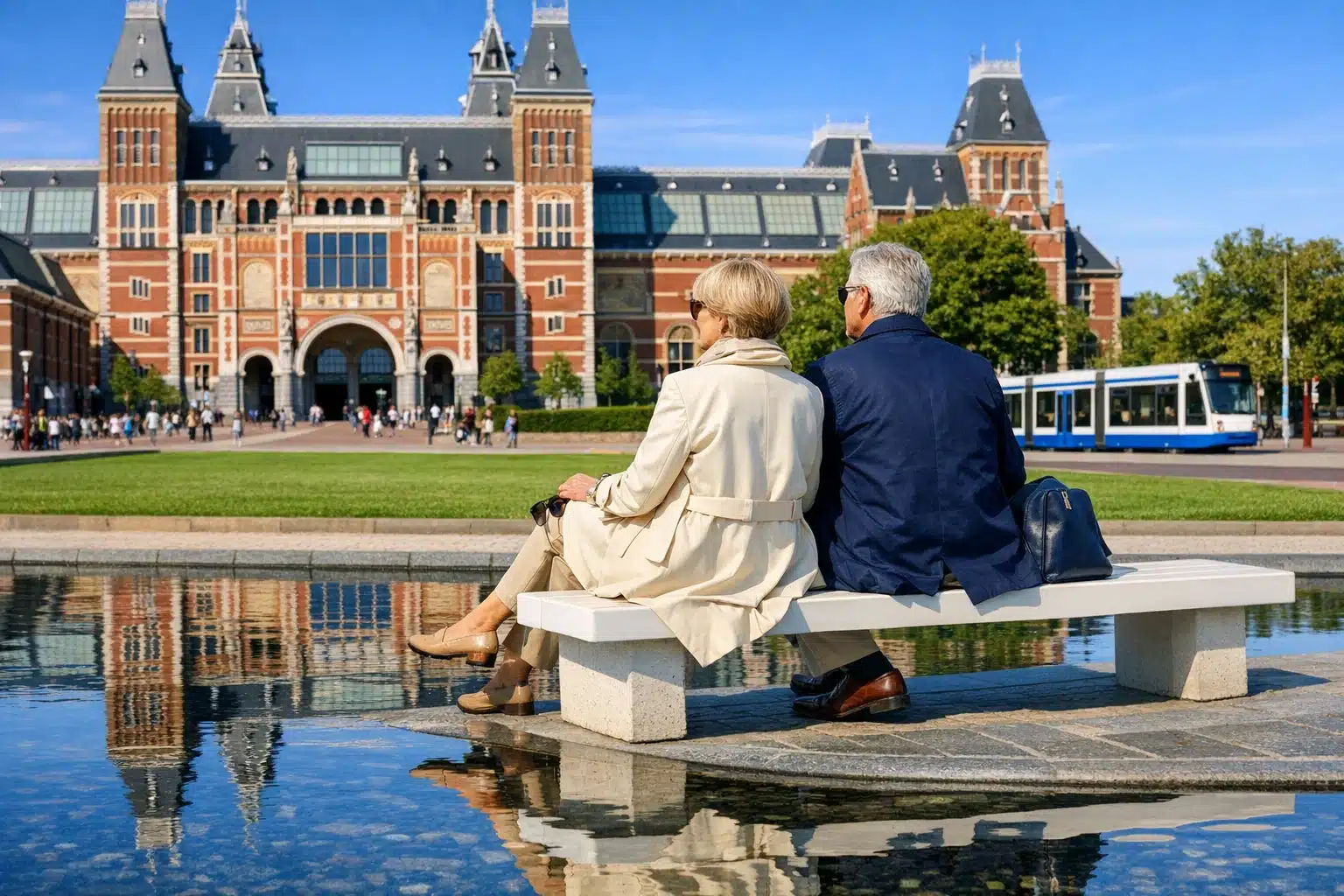
Amsterdam trip for people aged 50 and over in 2026
Amsterdam can be an excellent city break for travelers aged 50 and over because it combines world-class art, compact neighborhoods, reliable public transport, and a pace that can be either gentle or energetic. In 2026, the city remains especially relevant for mature visitors who want culture without needing a car, memorable food without formal excess, and walkable beauty without the scale of a sprawling capital. This guide explains how to plan wisely, move comfortably, and enjoy the city with confidence.
Outline:
• Why Amsterdam suits travelers aged 50 and over in 2026.
• How to choose the best season, neighborhood, and trip length.
• Practical transport, comfort, and accessibility tips for daily sightseeing.
• What to see, eat, and experience at a relaxed but rewarding pace.
• Budget, safety, and final advice for making the trip smooth and enjoyable.
Why Amsterdam Works So Well for Travelers Aged 50 and Over
Amsterdam has a special advantage that many major European cities cannot match: it feels internationally famous without feeling impossibly large. For travelers aged 50 and over, that matters. You can spend the morning in front of a Rembrandt, the afternoon gliding past canal houses, and the evening in a softly lit restaurant without spending half the day wrestling with long suburban commutes. The historic center is compact, visually rich, and surprisingly manageable when approached with a sensible rhythm. In practical terms, that means fewer exhausting transfers and more time actually enjoying the trip.
The city’s appeal also lies in variety. If one museum-heavy day feels too intense, Amsterdam can pivot quickly into a café day, a canal day, or a neighborhood day. The canal ring, a UNESCO-listed area, offers beautiful streets that seem to invite slow wandering rather than hurried box-ticking. The art scene is outstanding, but the pleasure of Amsterdam is not limited to major institutions. Small courtyards, bookshops, flower displays, brown cafés, and quiet waterside benches all contribute to the experience. It is a city that rewards observation. A gull lifting off the canal, a bicycle bell in the distance, the late afternoon light on narrow facades: Amsterdam often shines brightest in moments that are not scheduled.
Compared with larger capitals such as London or Paris, Amsterdam can feel more approachable for a shorter stay. Compared with Rome, it generally involves less uphill walking. Compared with some resort destinations, it offers deeper cultural substance for travelers who want conversation, memory, and atmosphere as much as sunshine. That balance is one reason the city remains relevant for mature travelers in 2026, when many people are prioritizing meaningful, flexible trips over overly packed itineraries.
That said, Amsterdam is not completely effortless. The city is flat, but flat does not always mean easy. Cobblestones, narrow pavements, bridges, and the constant flow of bicycles require attention. Historic buildings can have steep staircases, especially in smaller hotels. Yet these challenges are manageable with informed planning. The reward is a destination where comfort and stimulation can coexist. You can visit a major museum, rest by the water, take a tram instead of walking, and still feel fully immersed in one of Europe’s most characterful cities. For travelers over 50 who value culture, convenience, and a pleasing sense of scale, Amsterdam is often a remarkably smart choice.
When to Go, Where to Stay, and How Long to Spend in Amsterdam
One of the most important decisions for a 2026 Amsterdam trip is timing. The city changes personality with the seasons, and the right choice depends less on age than on energy level, crowd tolerance, and what kind of beauty you want from the experience. Spring is famous for long daylight, cool air, and gardens beginning to wake up. It is visually charming, but it can also be busy, especially around school holidays and popular floral attractions. Summer brings the liveliest terraces and longest evenings, yet it also means higher prices, more congestion, and busier museums. Early autumn is often a sweet spot: the weather can still be pleasant, the light is lovely, and the city feels slightly less strained. Winter is quieter and atmospheric in its own way, though short days and damp conditions may reduce time spent outdoors.
For many travelers aged 50 and over, four or five nights is an ideal first stay. Three nights can work, but it tends to compress the schedule too much. With four or five nights, you can include museum visits, neighborhood exploration, a canal cruise, and one slower day without feeling as if you are always checking the clock. Amsterdam is a city best absorbed rather than conquered.
Choosing the right neighborhood is equally important. The best area is not always the most famous one. Consider these options:
• Museumplein: excellent for major museums, broad streets, and a quieter evening atmosphere.
• Jordaan: picturesque, characterful, and full of cafés, though some streets and older buildings are less practical for mobility issues.
• Oud-West: lively but often slightly calmer than the very center, with good food and transport links.
• De Pijp: energetic and interesting, ideal for travelers who enjoy markets and restaurants.
• Central Canal Belt: beautiful and atmospheric, but sometimes noisier and more expensive.
Accommodation choices deserve careful attention. In Amsterdam, charm and convenience do not always arrive in the same package. A romantic canal house hotel may look perfect in photographs, yet it may also have very steep stairs, no lift, and compact rooms. Before booking, check for a lift, ground-floor access, air conditioning if traveling in warm months, and proximity to tram stops. A hotel slightly outside the postcard core can be a better option if it saves you daily effort. In 2026, as ever, comfort should not be treated as an afterthought. It is one of the foundations of a trip you will actually enjoy.
Getting Around Comfortably: Transport, Walking, and Everyday Practicalities
Amsterdam is one of Europe’s strongest cities for car-free travel, which makes it attractive for visitors who prefer simplicity over logistics. Schiphol Airport sits close enough to the city that arrival is usually straightforward. Trains to Amsterdam Centraal are frequent, and the journey is short enough that many travelers feel the city is almost waiting at the edge of the runway. From there, trams, metro lines, buses, ferries, taxis, and walking routes create a transport network that is easy to understand once you know the basics.
For daily movement, trams are often the most comfortable option for travelers over 50. They connect major districts, reduce long walks, and let you see the city as you travel. The metro is useful for certain routes, though many first-time visitors spend more time on trams because they serve the surface city better. Free ferries behind Centraal Station are excellent for short excursions across the IJ, especially if you want a change of perspective without paying extra. Contactless payment systems and app-based planning tools have made public transport more intuitive than it once was, but it is still wise to check routes ahead of time, particularly if you are visiting timed-entry attractions.
Walking in Amsterdam can be delightful, but it requires awareness. The biggest surprise for many visitors is not distance but bicycle traffic. Cycle lanes are taken seriously, and stepping into one absent-mindedly can turn a relaxed stroll into a sharp lesson. Add tram tracks, cobbles, and occasional uneven paving, and the city rewards careful movement over dreamy drifting. Comfortable shoes are essential, and breaks should be part of the plan rather than an admission of defeat.
A few everyday tips can make a noticeable difference:
• Build your day around two major activities, not five.
• Use canal cruises strategically, especially after a museum-heavy morning.
• Carry water and a light layer, as weather can shift quickly.
• Reserve key attractions in advance to avoid unnecessary standing.
• Check whether your hotel has staff available to help with luggage on stairs.
Accessibility varies by site because many buildings are historic. Major museums generally provide better access information than smaller venues, and that information should be reviewed before you go. Public toilets can also require planning, as they are not always where tired travelers wish them to be. Taxis and rideshares can help on lower-energy days, but relying on them exclusively is usually unnecessary. Amsterdam works best when you combine short walks, frequent pauses, and smart use of public transport. Done that way, the city feels inviting rather than demanding.
What to See and Do at a Relaxed Pace: Museums, Canals, Food, and Gentle Discoveries
Amsterdam offers enough culture for a week of intense sightseeing, but for travelers aged 50 and over, the more satisfying approach is often selective depth. Instead of trying to do everything, choose experiences that complement one another. A classic pairing is the Rijksmuseum and a canal cruise. The first gives you Dutch history and artistic mastery; the second lets the city exhale around you. The Rijksmuseum is broad in scope, from Golden Age painting to decorative arts, while the Van Gogh Museum is narrower and more emotionally focused. The Stedelijk adds modern and contemporary art for travelers who like bold design and sharper visual contrasts. Together, these institutions make Amsterdam one of Europe’s strongest short-break destinations for art lovers.
Not every meaningful experience needs a ticket. The Jordaan remains one of the most enjoyable areas for unhurried wandering, with independent shops, waterside streets, and the sense that the city is performing in a lower, more melodic register. The Nine Streets area is good for browsing, while Museumplein provides breathing room between major visits. Vondelpark can be a welcome reset after a busy morning. Even a simple walk from canal bridge to canal bridge can feel theatrical in the best sense, as if each turn is revealing a new stage set of brick, water, and sky.
Food is another pleasure that suits mature travelers who enjoy quality over spectacle. Amsterdam’s dining scene ranges from traditional Dutch comfort food to Indonesian rijsttafel, an enduring part of the city’s culinary identity shaped by historical links. You do not need to chase every trend. A good lunch can be as memorable as a formal dinner if it is well timed and well chosen. Many travelers over 50 appreciate planning one main meal midday, then keeping the evening lighter.
Consider a balanced sightseeing mix like this:
• One major museum in the morning.
• A leisurely lunch in a quieter neighborhood.
• A canal cruise or tram ride in the afternoon.
• A short market stop or specialty shop visit.
• An early dinner close to your hotel.
If you want a day beyond central Amsterdam, nearby options such as Haarlem can offer a calmer rhythm with handsome streets and easy rail access. The key is not to transform a city break into a checklist marathon. Amsterdam is especially rewarding when it is allowed to unfold. Sit by the water. Linger over coffee. Watch boats pass under a bridge and resist the urge to hurry. In that slower tempo, the city often becomes more vivid, not less.
Budget, Safety, and Final Thoughts for Travelers Over 50
Amsterdam is rarely the cheapest city break in Europe, and budget expectations should be realistic. In general, it falls into the upper-middle to expensive range, especially for centrally located hotels and prime museum tickets. Travelers over 50 often prioritize comfort, quieter rooms, and convenient locations, which can raise costs but also reduce friction throughout the trip. That trade-off is usually worthwhile. Paying slightly more for a lift, a better mattress, or a tram stop nearby can improve the holiday more than paying extra for a room with a fashionable address but poor practicality.
There are still smart ways to control spending without making the trip feel restricted. Booking flights and accommodation early often helps, especially for spring and early autumn. Lunch menus can be better value than dinner. Public transport is far cheaper than relying on taxis for every journey. Museum passes and city cards can be useful for some travelers, but only if the included attractions match your actual pace. A pass is not automatically a saving; it becomes one only when it fits your itinerary.
Safety in Amsterdam is generally good by big-city standards, but a relaxed atmosphere should not be mistaken for an invitation to switch off entirely. The most common issues for visitors are practical rather than dramatic: pickpocketing in crowded areas, confusion in bike lanes, slips on wet surfaces, and fatigue caused by trying to do too much. The city rewards alertness.
Keep these points in mind:
• Stay aware in busy transport hubs and crowded shopping streets.
• Treat bike lanes like active roads, not extra pavement.
• Slow down on bridges and after rain.
• Keep attraction bookings and hotel directions accessible on your phone and on paper.
• Leave room in the schedule for rest, especially on arrival day.
For the target audience of this guide, the strongest advice is simple: plan for enjoyment, not performance. A good Amsterdam trip in 2026 does not need to prove anything. It should feel comfortable, culturally rich, and paced in a way that lets you notice the city rather than merely pass through it. If you choose the right season, stay in a practical area, use trams intelligently, and focus on a few excellent experiences each day, Amsterdam can offer a deeply satisfying break. For travelers aged 50 and over, that combination of beauty, accessibility, and substance is exactly what makes the city worth the journey.