Work as a Coffee Packer: How to Start Without Experience
Behind every bag of ground coffee or sealed pouch of beans is a line of workers making sure the product is filled, labeled, checked, and sent out in good condition. A coffee packer may begin at the end of the production line, yet the role sits close to quality, safety, and delivery, which makes it more important than many beginners expect. For job seekers with little or no direct experience, it can be one of the most accessible ways into food manufacturing. The sections below explain the work, the hiring process, the daily realities, and the practical steps that can turn an entry-level start into steady progress.
Outline
This article is organized around five key questions that matter most to beginners entering the field.
- What does a coffee packer actually do, and why does the role matter?
- How can someone get hired without direct experience?
- Which skills, tools, and safety rules shape the job?
- What does a normal shift feel like in real working conditions?
- How much can the role lead to in terms of pay, stability, and progression?
What a Coffee Packer Does and Why the Role Matters
A coffee packer works in the final stages of production, where roasted or ground coffee is prepared for sale and distribution. That may sound simple at first glance, but the job combines speed, attention to detail, and strict hygiene standards. In many facilities, coffee reaches the packing area after roasting, cooling, and sometimes grinding. From there, the product is weighed, dropped into bags or containers, sealed, coded, checked, boxed, and moved toward storage or shipping. If one step goes wrong, the problem can affect freshness, shelf appearance, traceability, and customer trust.
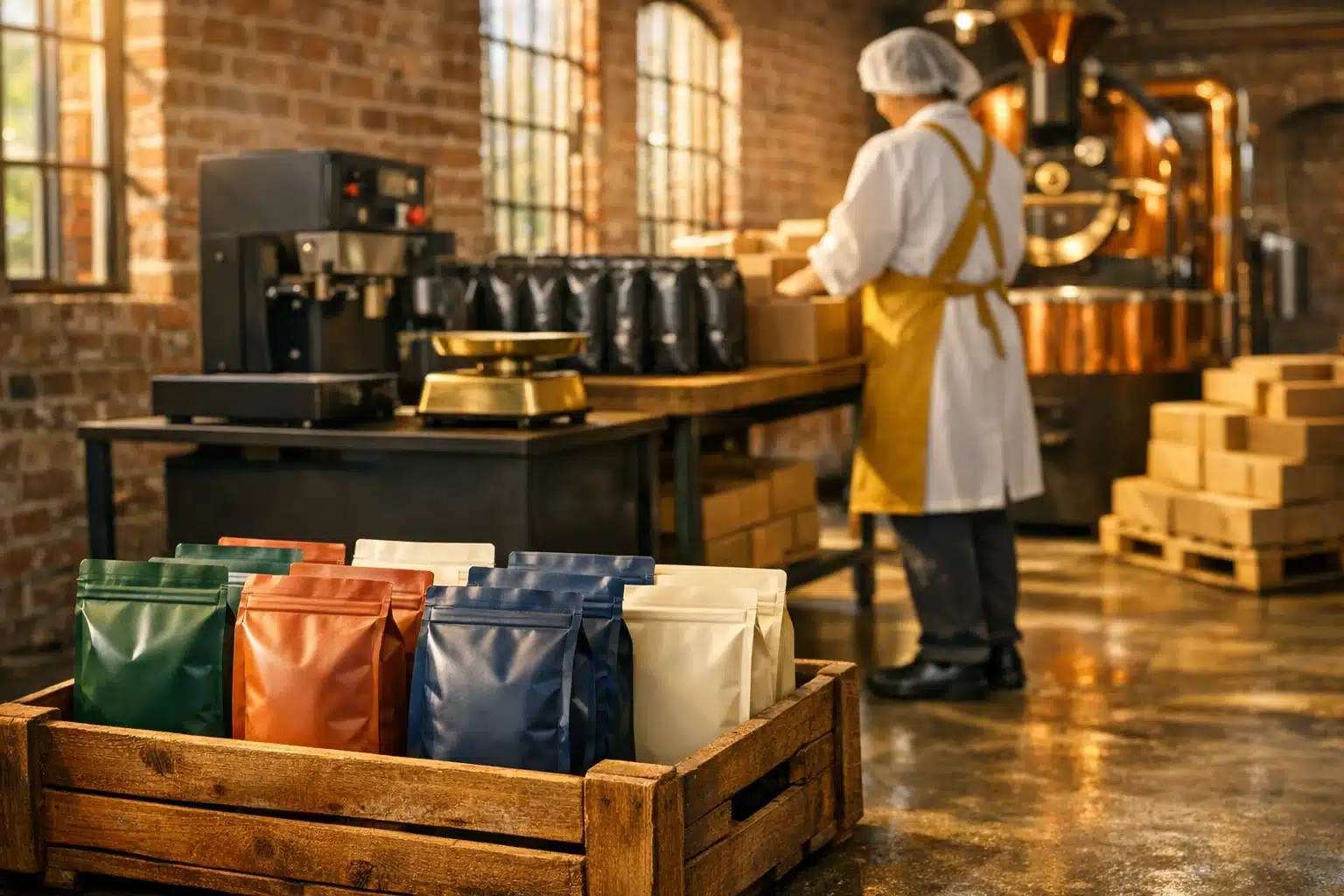
Daily tasks often depend on the size of the company. In a smaller local roastery, one worker may help with several stages of the process, including bagging, labeling, and stacking finished boxes. In a larger factory, the role is usually more specialized. One person may monitor the bagging machine, another may inspect seals and labels, and another may pack completed units into cartons. Even when the work is repetitive, it is rarely meaningless. A bag sealed badly can let air in, which reduces freshness. A missing date code can create stock control problems. A wrong label can trigger costly waste or recalls.
Typical duties include:
- Filling bags, pouches, tins, or pods to the correct weight
- Checking seals, valves, labels, and date codes
- Inspecting packaging for damage or contamination
- Counting units and packing them into cases
- Recording batch information for traceability
- Keeping the workstation clean and food-safe
The importance of the role becomes clearer when you think about what packaging does for coffee. Coffee is sensitive to air, moisture, light, and time. Good packing helps preserve aroma and flavor, especially when companies use one-way valve bags, vacuum packaging, or nitrogen flushing. In other words, the packer is not just placing coffee in a container. The packer is helping protect the product from the moment it leaves production to the moment a customer opens it at home.
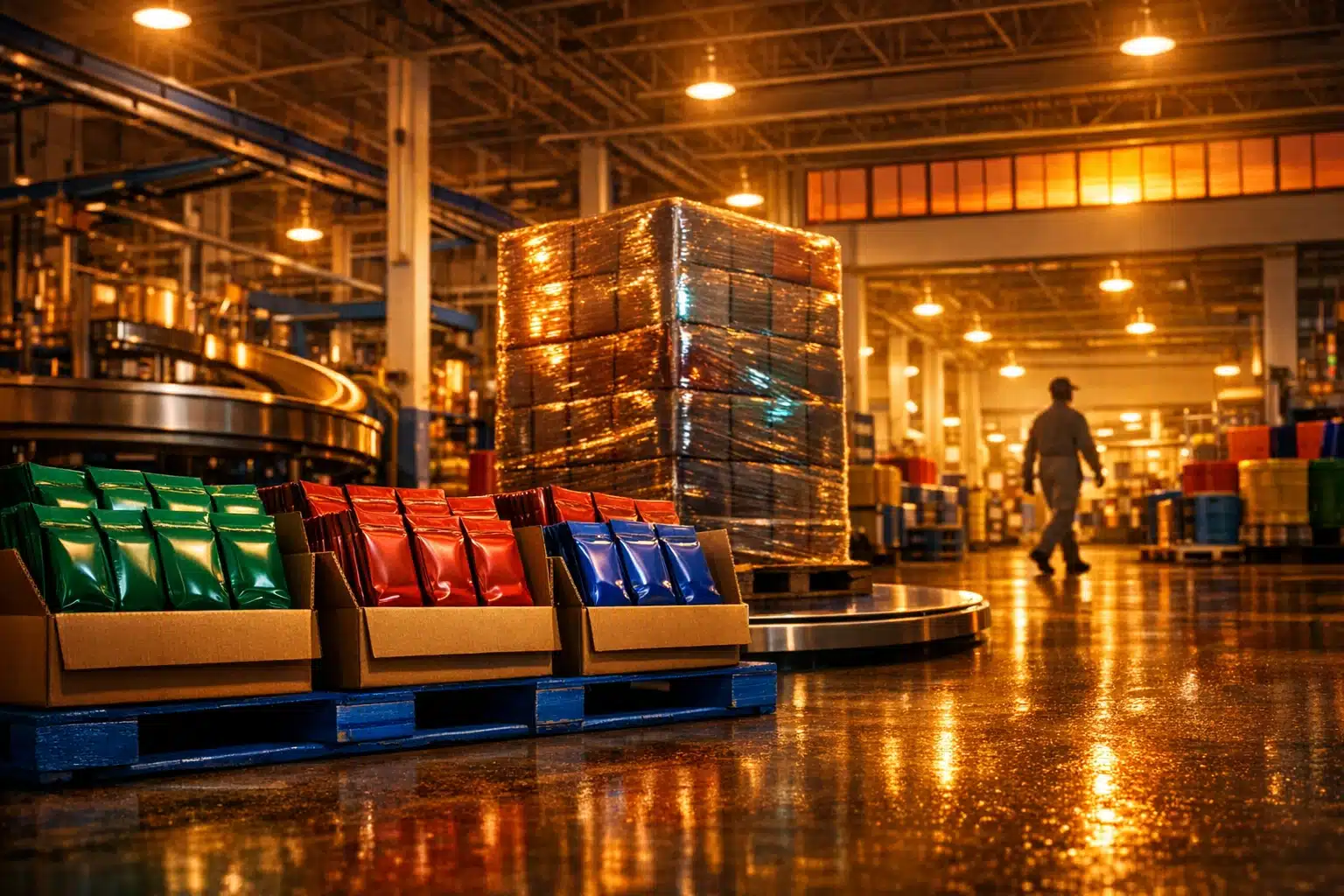
This is also why employers value reliability. Packaging lines are built around rhythm. When one person falls behind, the whole line feels it. A coffee packer supports the flow of operations, protects quality, and contributes to customer satisfaction in a very visible way. It is the kind of job that can look quiet from the outside, yet inside the packing hall it runs like a steady drumbeat: bags moving, labels clicking, cartons closing, pallets rising row by row.
How to Start as a Coffee Packer Without Experience
One of the most encouraging things about coffee packing is that many entry-level openings do not require previous industry experience. Employers often hire for attitude, reliability, and basic work readiness first, then teach the technical parts on the job. That makes the role attractive to school leavers, career changers, warehouse workers, retail staff, hospitality employees, and people returning to work after a break. If you can show that you are punctual, careful, and comfortable with routine, you may already have the foundation needed to get started.
Most companies look for a practical mix of qualities rather than a long list of qualifications. A vacancy may ask for physical stamina, basic reading and numeracy, the ability to follow instructions, and willingness to work shifts. Food production employers also pay attention to hygiene awareness and consistency, because mistakes in packaging can affect both quality and compliance. Formal certificates can help, but they are often optional for beginners. In some regions, a basic food safety certificate or manual handling certificate may strengthen an application, yet many workplaces provide this training after hiring.
If you have no direct experience, your best move is to translate past work into relevant strengths. For example:
- Retail experience shows stamina, customer awareness, and reliability
- Fast food or kitchen work suggests hygiene discipline and pace
- Warehouse work shows comfort with stock, targets, and teamwork
- Cleaning roles can demonstrate attention to sanitation standards
- Any shift-based job shows flexibility and attendance habits
When applying, keep your CV simple and practical. Highlight attendance, speed, care, teamwork, and any history of meeting targets. In your cover note or application form, explain that you are interested in food production, willing to learn machinery and safety procedures, and ready for repetitive but important tasks. Employers rarely expect polished industry language from a complete beginner. They do notice clear motivation and a realistic view of the job.
Interviews for coffee packer roles are usually straightforward. Expect questions such as: Can you stand for long periods? Are you comfortable with early, late, or rotating shifts? How do you stay focused during repetitive work? Can you follow hygiene rules exactly? Good answers are specific. Instead of saying, “I work hard,” describe a past job where accuracy mattered or a busy period when you kept quality steady under pressure.
It is also worth looking beyond major coffee brands. Smaller roasters, contract packers, food manufacturers, and staffing agencies often provide faster entry points. Temporary contracts can lead to permanent roles if performance is strong. For many people, the first opportunity arrives not because they had perfect experience, but because they showed up prepared, realistic, and ready to learn the line from the ground up.
Skills, Tools, and Safety Standards Every Beginner Should Know
Although coffee packing is entry-level in many workplaces, the job still depends on a real skill set. The first and most visible skill is accuracy. A packer has to notice whether a seal is weak, a label is crooked, a bag is underweight, or a batch code is missing. That sounds minor until you imagine thousands of units leaving the line in a single shift. Small errors multiply quickly in manufacturing, which is why employers value workers who can stay alert even when the task becomes familiar.
The second major skill is pace with control. Production lines often run to target speeds, and workers are expected to keep up without damaging product quality. This balance matters more than raw speed alone. A fast worker who ignores defects creates extra waste. A careful worker who cannot keep up can slow the whole line. The best beginners learn to move with rhythm, almost like finding the beat in a song: lift, check, place, repeat, while still watching for anything unusual.
Common tools and equipment in coffee packing environments include:
- Weighing scales and checkweighers
- Bagging and sealing machines
- Label printers and barcode scanners
- Date coding systems
- Conveyors and carton taping equipment
- Pallet jacks or other basic material-handling tools
You may not operate every machine on day one, but understanding the workflow helps you adapt faster. In many facilities, workers are trained to stop the line if they see a quality problem, report a fault, or separate damaged stock. That level of responsibility is one reason the role can become a strong stepping stone to operator or quality-control work.
Safety and hygiene are just as important as output. Coffee is a food product, so workplaces commonly follow Good Manufacturing Practice, sanitation schedules, and traceability rules. Workers may need hairnets, gloves, beard covers, safety shoes, and sometimes hearing protection. Surfaces must be kept clean. Hands must be washed properly. Batch records must be accurate. In flavored coffee or shared facilities, allergen awareness can also matter.
New starters should take safety training seriously, even when the tasks seem simple. Repetitive motion, lifting, slips, burns from hot equipment nearby, and pinch points on machinery are all real risks in production areas. Compare the role with a standard warehouse job and the difference becomes clear: a warehouse picker mainly focuses on movement and stock, while a coffee packer works closer to product integrity, food hygiene, and packaging precision. That added layer of care is exactly what makes the role valuable and transferable.
A Typical Shift: Workflow, Targets, and the Real Conditions of the Job
A typical shift for a coffee packer often starts with a handover or line briefing. Supervisors may explain the product being packed, the packaging format, the target output, and any special quality points for the run. One batch might involve whole beans in 1-kilogram valve bags, while another may require ground coffee in smaller retail pouches. Before the line starts, workers usually check hygiene gear, workstation cleanliness, labels, carton supply, and pallet space. The routine can feel methodical, but that is the point. Good production depends on a controlled beginning.
Once the line is running, the pace becomes more visible. Finished packs move down the conveyor, and workers inspect them as they pass. A normal cycle may involve lifting filled bags, checking seals and print, placing units into cartons, sealing boxes, and stacking them on pallets. Some sites rotate staff between tasks to reduce fatigue and keep concentration sharp. Others assign one station for longer periods, especially during high-volume runs. Breaks are important because packing is repetitive and physically demanding, particularly when shifts stretch to eight, ten, or even twelve hours in some operations.
Employers often measure performance through a mix of output and quality indicators, such as:
- Units packed per hour
- Number of rejected or damaged packs
- Downtime caused by handling issues
- Accuracy of labels, codes, and case counts
- Cleanliness and compliance during audits
For beginners, the most surprising part of the job is often the physical environment. Coffee packing areas can smell fantastic, but the romance of fresh roast gives way quickly to the reality of long periods on your feet, repeated motions, and the need to stay focused while machines hum in the background. Shift work is common. Early starts, night work, weekend coverage, and seasonal peaks may all be part of the schedule, especially before holidays or during promotional runs.
That said, many workers like the clarity of the role. The goals are visible, the feedback is immediate, and a productive shift can feel satisfying in a very direct way. You can literally see the result of your work stacked and wrapped by the end of the day. Practical habits make the job easier: wear supportive footwear, stay hydrated, stretch before and after shifts, ask questions when instructions are unclear, and learn the line order quickly. Coffee packing is not glamorous, but it often rewards steady people who can handle routine with discipline. In a labor market full of vague promises, there is something refreshing about a job that tells you exactly what needs doing and then lets your effort speak for itself.
Pay, Progression, and Final Advice for New Coffee Packers
For most people considering this role, the biggest question after “Can I get hired?” is “Where can this lead?” The honest answer is that coffee packing is usually an entry-level position first, not a high-paying destination on day one. Pay varies by region, company size, shift pattern, and contract type. In many places, wages start around local entry-level manufacturing rates, with extra earnings possible through overtime, night premiums, weekend shifts, attendance bonuses, or permanent contracts. That means the role may not feel dramatic at the start, but it can become financially steadier than casual service work, especially for people who want predictable hours and a clearer route upward.
Progression often depends less on formal education and more on consistency. Workers who arrive on time, follow hygiene rules, handle pressure calmly, and learn several stations on the line are usually the first to be trusted with more responsibility. Over time, a coffee packer may move into roles such as machine operator, line leader, quality-control assistant, stock controller, warehouse coordinator, dispatch worker, or production support. In smaller companies, a reliable packer may even cross-train in roasting, blending, or order fulfillment, which builds a broader skill base than the original job title suggests.
Useful ways to grow from the role include:
- Learning more than one packing station
- Volunteering for line changeovers and setup support
- Understanding basic quality documentation
- Showing interest in machine troubleshooting
- Keeping attendance strong over time
- Taking offered food safety or forklift training
If you are applying without experience, the role can be a smart first step because it teaches habits employers value across manufacturing: punctuality, process discipline, quality awareness, and teamwork under time pressure. Those habits transfer well beyond coffee. Even if you later move into another food product, logistics role, or technical production job, the foundation still counts.
For the target audience of this guide, namely beginners, job changers, and anyone looking for a practical way into stable work, the key message is simple. Do not dismiss coffee packing because it sounds basic. Entry-level roles often reveal their worth after you are inside them. This job can give you structure, experience, and proof that you can work to standards that matter. If you approach it with realistic expectations, a willingness to learn, and respect for the routine, coffee packing can be more than just a first paycheck. It can be the first solid rung on a ladder that is easier to climb once your foot is on it.